Health and Safety Policy for Cleaners Tjohnswood
 This health and safety policy sets out the standards and responsibilities that support safe, consistent, and professional cleaning work in Tjohnswood. It applies to all cleaning tasks carried out in homes, offices, communal areas, and other serviced premises. The purpose is to reduce risk, protect cleaners and occupants, and make sure every cleaning service is delivered with care, attention, and safe working practices.
Our approach to Tjohnswood cleaners safety is based on prevention, awareness, and accountability. We expect all staff to work in a way that avoids injury, limits exposure to hazards, and maintains a clean environment without compromising wellbeing. This includes correct use of equipment, safe handling of cleaning substances, and prompt reporting of hazards or incidents. A strong safety culture supports both quality and confidence in daily operations.
 Every cleaner must follow basic safety rules before, during, and after each task. This includes wearing suitable protective clothing where needed, checking the condition of equipment, and ensuring surfaces are safe before starting work. In any cleaning policy, the handling of slips, trips, and falls is essential, especially when floors are wet or cluttered. Clear walkways, proper warning measures, and careful movement around furniture help lower the chance of accidents.
Risk assessment is a key part of the cleaning health and safety policy. Before work begins, cleaners should identify hazards such as electrical equipment, fragile items, sharp objects, or chemical exposure. If a risk cannot be reduced immediately, the task should be paused until it is safe to continue. A calm and structured response helps protect workers while keeping the service dependable and efficient.
The correct use of cleaning products is especially important. All chemicals must be stored, labelled, and used according to instructions. Cleaners should never mix products unless specifically approved, as this can create harmful fumes or reactions. Protective gloves, masks, and eye protection should be used when needed. Safe handling of products is a core part of cleaner safety and helps prevent skin irritation, breathing problems, and accidental spills.
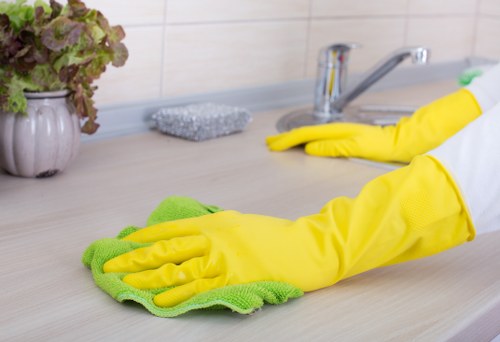 Equipment must also be maintained in good working order. Vacuum cleaners, mops, cloths, buckets, and any powered tools should be checked regularly for damage or faults. Faulty equipment should not be used until it has been repaired or replaced. Keeping tools clean and well maintained supports the effectiveness of cleaning services in Tjohnswood and reduces the chance of injury or poor results.
Training and supervision are vital to this policy. All staff should understand safe lifting methods, chemical handling, emergency procedures, and correct cleaning routines. New workers should receive instruction before carrying out tasks independently. Ongoing reminders and checks help ensure that Tjohnswood cleaning work remains consistent, safe, and professional. Where specialist tasks are required, additional training should be provided first.
Hygiene standards also form part of the safety framework. Cleaners should wash hands regularly, especially after handling waste, chemicals, or contaminated materials. Personal protective equipment should be replaced when worn or damaged. Waste should be collected and disposed of in a controlled manner to avoid contamination or unpleasant conditions. These measures support a safer workplace and better overall service quality.
In the middle of any health and safety policy, communication matters. Cleaners must know how to report hazards, accidents, near misses, or concerns without delay. Clear reporting helps management take action quickly and prevents similar issues from happening again. If a situation seems unsafe, staff should stop work, secure the area if possible, and wait for instructions before proceeding.
Emergency readiness is another essential area. Cleaners should know the basics of fire safety, first aid response, and evacuation procedures at each location they work in. Routes and exits must be kept clear, and any urgent issue should be reported immediately. Although cleaning work often seems routine, quick and sensible action can make a major difference in an emergency.
We also expect respectful behaviour toward clients, residents, and other workers. Safety is not only about physical hazards but also about working calmly, avoiding rushed tasks, and staying alert to changing conditions. A well-managed cleaning policy encourages professionalism, reduces stress, and supports a reliable service. Cleaners should never take shortcuts that could place themselves or others at risk.
 Supervisors and those responsible for operations must review this policy regularly to make sure it remains suitable and effective. Updates may be needed when equipment changes, new products are introduced, or work practices develop. The aim is to keep health and safety for cleaners practical, clear, and easy to follow. Regular review also helps maintain high standards across different types of cleaning environments.
Everyone involved in the work shares responsibility for safety. Cleaners must follow procedures, use equipment properly, and speak up when something is wrong. Managers must provide suitable tools, clear instructions, and enough support to complete tasks safely. With shared responsibility, cleaning services can be delivered in a way that protects people, property, and reputation.
 By following this policy, Cleaners Tjohnswood can maintain a safe and dependable service built on prevention, care, and professionalism. Safe working habits protect the people carrying out the work as well as those who live or work in the spaces being cleaned. A thoughtful and well-applied health and safety policy ensures that every cleaning task is approached with confidence, responsibility, and respect.