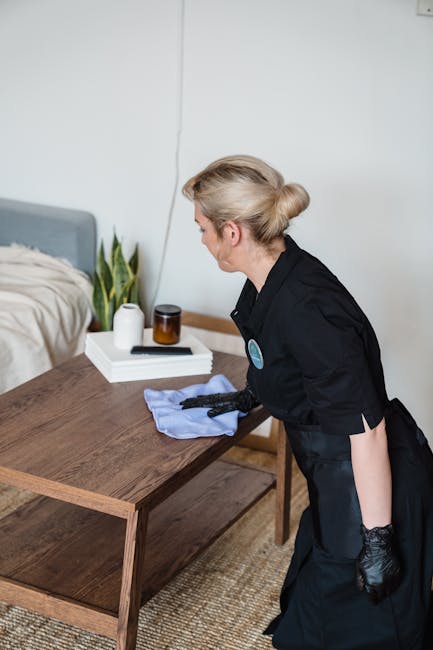
End of tenancy cleaning NW8 St Johns Wood guide

Moving out is stressful enough without worrying whether the flat will pass the final inspection. If you are leaving a home in St Johns Wood or anywhere across NW8, an end of tenancy cleaning NW8 St Johns Wood guide can save you time, reduce last-minute panic, and help you hand the property back in a condition that feels properly finished. Truth be told, the difference between a smooth checkout and an awkward dispute is often not dramatic-it is usually in the small details: behind the toaster, inside the oven door, the line of dust on skirting boards, or the marks on a bathroom mirror that only show up when the light hits just right.
This guide explains what end of tenancy cleaning involves, why it matters, what landlords and letting agents typically look for, and how to tackle the job methodically. You will also find a practical checklist, a comparison of cleaning options, and a real-world example drawn from the kind of moving-day situations people actually face. If you want to plan the work properly, you can also explore end of tenancy cleaning, move-out cleaning, and deep cleaning for related support.
Why End of tenancy cleaning NW8 St Johns Wood guide Matters
End of tenancy cleaning is not just a fancier version of a weekly tidy-up. It is a focused, detail-heavy clean designed to return a rented property to a standard that is suitable for inspection, re-letting, and in many cases deposit assessment. In NW8, where properties range from compact flats to larger period homes, expectations can be quite high. A place may look fine at first glance, but turn on the bathroom extractor, open the oven, or inspect the edges of a kitchen cupboard and you suddenly see the story properly.
This matters for three main reasons. First, it protects your deposit position by reducing avoidable cleaning disputes. Second, it helps landlords and agents present the property quickly and professionally for the next tenant. Third, it makes moving day less chaotic. Anyone who has tried to pack boxes, hand over keys, and scrub limescale from a shower screen at the same time knows it is... a bit much.
In practice, the right standard usually means the property should be cleaned thoroughly, with attention paid to areas that are often missed during everyday cleaning. That typically includes inside appliances, limescale-prone bathroom fittings, window tracks, skirting boards, light switches, and high-touch surfaces. If you have additional surfaces or fabrics that need attention, services like oven cleaning, window cleaning, and upholstery cleaning may be relevant as part of a broader move-out clean.
Expert summary: A proper end of tenancy clean is less about "making things look okay" and more about removing the built-up evidence of everyday living. That is what agents notice.
How End of tenancy cleaning NW8 St Johns Wood guide Works
The process usually begins with a room-by-room assessment. You identify what needs standard cleaning, what needs deep treatment, and what may need specialist attention. For example, a kitchen often needs degreasing, appliance cleaning, sink descaling, cupboard wipe-downs, and careful work around handles and splashbacks. Bathrooms often need limescale removal, grout attention, polishing, and odour control. Living rooms and bedrooms tend to need dust removal, floor care, stain treatment, and skirting board cleaning.
A sensible approach is to work from top to bottom and from cleaner areas to dirtier ones. That way, dust and crumbs do not fall onto surfaces you have already finished. It sounds obvious, but in the middle of a move, obvious things are exactly what people miss. There is also a difference between general domestic cleaning and a genuine end-of-tenancy standard. A routine weekly clean can leave behind subtle build-up; a move-out clean is designed to reveal a property at its best.
For homes with carpets, soft furnishings, or stubborn marks, a combined approach is often needed. You may want to pair the main clean with carpet cleaning, steam carpet cleaning, sofa cleaning, or stain removal where appropriate. If you are leaving a furnished or partly furnished rental, those extra steps can make a big difference to the final impression.
There is also a timing element. If the property is empty, the clean is quicker and more effective because every surface is accessible. If you are still living there while packing, the work becomes more incremental. That is workable, of course, but it needs planning.
Key Benefits and Practical Advantages
The most obvious benefit is peace of mind. When you know every room has been tackled properly, you stop second-guessing yourself. That alone can make moving week feel less like a blur. But there are a few more practical advantages worth calling out.
- Better inspection outcomes: A well-cleaned property is easier for agents and landlords to review without raising avoidable issues.
- Less back-and-forth: Clear standards reduce the chance of being asked to return and re-clean specific areas.
- Cleaner handover: The next occupant walks into a space that feels fresh rather than "just emptied."
- Time saved: Hiring help or planning a structured clean avoids exhausting, last-minute scrubbing.
- Improved presentation: In a competitive rental market, presentation matters more than people admit.
For some households, the real advantage is practical rather than emotional. Families with children, professionals on tight deadlines, or tenants coordinating removals, inventory check-outs, and utility handovers may simply not have the bandwidth to do everything well. A move-out clean can be the bit that keeps the whole moving process from wobbling.
If the property needs a broader reset before handover, it can also be useful to consider one-off cleaning or, where floors are a major issue, hard floor cleaning. Not every flat needs every service. But when a few specific areas are holding the place back, targeted help is often the smartest move.
Who This Is For and When It Makes Sense
This guide is for tenants, landlords, letting agents, and even flat sharers who need a clear view of what an exit clean should include. If you are moving out of a one-bed apartment near St Johns Wood station, leaving a larger family home, or vacating a furnished rental with a lot of fabric surfaces, the core principles are the same. The scale changes, not the idea.
It makes sense to invest in proper end of tenancy cleaning when:
- you are close to the end of your tenancy and want to reduce deposit risk;
- the property has not been deep cleaned recently;
- there are visible marks, build-up, or odours;
- you are moving out of a furnished flat;
- you have carpets, curtains, or upholstery that have picked up everyday use;
- the inventory report from move-in was detailed and you expect a detailed check-out.
It can also make sense if you are simply short on time. Let's face it, moving homes in NW8 can mean juggling lift bookings, parking constraints, removals timing, and key collection. A complicated clean at the end can tip the whole day from busy to miserable. Sometimes the sensible choice is to delegate the heavy lifting and save your energy for the handover itself.
For landlords and managing agents, a move-out clean can support quicker turnaround between tenants and help the property look cared for. That is especially important in buildings with shared access or communal presentation standards. In those settings, communal area cleaning can also be part of the wider maintenance picture.
Step-by-Step Guidance
If you want a clean that stands up to inspection, do not approach the property randomly. A sequence helps.
- Read the tenancy paperwork. Check the cleaning clauses, checkout expectations, and any inventory notes. You are looking for practical standards, not perfection theatre.
- Take photos before you start. This helps you track progress and gives you a record if there is any later disagreement.
- Declutter completely. Remove bags, boxes, personal items, food, toiletries, and anything left in cupboards or under beds.
- Work room by room. Finish one space fully before moving to the next. That keeps the job manageable.
- Start high, finish low. Dust shelves, tops of cupboards, picture rails, and light fittings before dealing with floors.
- Focus on kitchens and bathrooms first. These areas tend to create the most inspection issues.
- Treat stains and marks early. Fresh attention on stains is usually more effective than leaving them to dry for "later." Later rarely comes.
- Clean appliances inside and out. Oven trays, fridge shelves, hob surfaces, and extractor areas deserve proper attention.
- Check fabric and soft surfaces. Curtains, mattresses, rugs, and sofas can hold dust, smells, and visible marks.
- Do a final inspection in daylight. Natural light shows streaks, dust, and missed corners in a way artificial lighting often hides.
One small but useful habit: clean the areas you touch last, such as doors, handles, switches, and banisters, after the main dusting has finished. That final pass is often what makes the property feel genuinely finished rather than merely swept through.
If there is mould in a bathroom, water marks on taps, pet-related odour, or a stubborn patch in a carpet, do not assume a quick wipe will sort it. It may need a more specific treatment such as pet stain odour removal or specialist stain work. Better to recognise the issue early than discover it at the checkout stage.
Expert Tips for Better Results
In our experience, the best move-out cleans are the ones that combine method with restraint. People often overdo one area and underdo another. A kitchen can look spotless, for example, while skirting boards and sockets still carry a fine line of dust. Agents notice that stuff.
Here are a few practical tips that genuinely help:
- Use the right cloth for the right job. Microfibre is good for dusting and polishing, while softer cloths reduce the risk of scratching glossy surfaces.
- Let cleaners dwell briefly. On greasy or limescale-heavy surfaces, give products a moment to work before wiping.
- Don't forget hidden edges. Behind taps, under appliance lips, around handles, and along silicone seals are classic problem spots.
- Open windows where you can. Fresh air helps a property feel cleaner and can reduce lingering product smell.
- Use daylight as your second opinion. Evening light can flatter a room. Morning light is less forgiving, which is useful here.
- Have a backup plan for stubborn items. If a stain does not move, or a curtain needs proper care, flag it rather than rubbing harder and making it worse.
A practical example: if you have a wool rug that has flattened and marked under furniture, don't attack it with random cleaning products. That is how people create water rings and regret. A better route is to assess whether rug cleaning or curtain cleaning would be safer and more effective.
Also, be realistic about time. A thorough clean in a St Johns Wood flat with two bathrooms and a fitted kitchen can take longer than you expect. The job always expands once you start moving things. Always.
Common Mistakes to Avoid
People usually do not fail at end of tenancy cleaning because they are lazy. They fail because they underestimate the detail involved or leave too much for the final day. Here are the usual slip-ups.
- Leaving appliances to the end: Ovens and fridges are time-consuming, so they should be planned early.
- Cleaning around clutter: This creates false confidence. The missing dirt shows up when the clutter goes.
- Ignoring odours: A room can look tidy but still feel neglected if there is a lingering smell from bins, pets, smoke, or damp.
- Using harsh products indiscriminately: Some surfaces scratch, fade, or discolour easily.
- Forgetting interior details: Cupboards, drawers, extractor filters, and behind appliances matter.
- Assuming "clean enough" is enough: End of tenancy standards are usually higher than everyday standards.
One more thing: don't rely on a quick surface polish if there is visible build-up elsewhere. That is the classic "looks fine from the doorway" trap. And yes, people do that all the time. Then the inventory clerk opens a cupboard. Oops.
If the property has been lived in heavily, or if the fixtures are showing deeper wear, it may also be worth looking at stain removal or even mattress cleaning. Sleep surfaces are easy to overlook, but they can matter quite a lot in furnished rentals.
Tools, Resources and Recommendations
You do not need a mountain of equipment, but the right kit makes the job easier and safer. A sensible cleaning setup usually includes:
- microfibre cloths in a few colours or types;
- a non-abrasive multi-surface cleaner;
- a bathroom descaler;
- a degreaser for kitchen areas;
- a vacuum cleaner with crevice tools;
- a mop and bucket or spray mop;
- an oven cleaner suited to the appliance type;
- rubber gloves;
- sponges, soft brushes, and an old toothbrush for tight corners;
- bin bags and a rubbish caddy for clearing debris as you go.
For larger jobs, you may also want specialist support for things like carpet cleaning, steam carpet cleaning, or oven cleaning. These are often the parts that consume the most time and deliver the most visible improvement. One polished oven can make a whole kitchen feel newer, oddly enough.
When choosing help, look for clear pricing, transparent service descriptions, and proper safeguards. If you want to understand how a provider handles booking, payment, and security, it is sensible to review pricing and quotes, payment and security, and insurance and safety. Those pages tell you a lot about how a business thinks, not just what it sells.
Law, Compliance, Standards and Best Practice
End of tenancy cleaning is not usually a legal mystery, but there are a few practical standards worth keeping in mind. In the UK rental market, tenancy agreements and inventory reports often shape what is expected at check-out. That means the exact requirement may depend on your contract, the original condition of the property, and whether any special items were noted on move-in.
Best practice is to return the property in broadly the same level of cleanliness as recorded at the start of the tenancy, allowing for reasonable wear and tear. That phrase matters. Normal use is not the same as neglect. Still, if you know the property was handed over immaculate, it is wise to aim for that standard again rather than hoping for a loose interpretation.
Safety also matters during cleaning. Use products carefully, keep ventilation in mind, and avoid mixing chemicals. That sounds basic, but it is worth saying because mistakes happen when people are tired and rushing. If you hire a company, make sure it has clear health and safety processes. You can review this sort of information through pages like health and safety policy and about us, which help show whether the business works in a structured and responsible way.
For rubbish removal, property clearance, or bulk items left behind, the issue may move beyond cleaning and into waste handling. In those cases, house clearance can be more relevant than a standard clean. And if you are leaving a property for a new tenant and want the shared spaces to match the interior standard, communal area cleaning can support the overall presentation of the building.
Options, Methods, and Comparison Table
There is more than one way to handle end of tenancy cleaning in NW8. The right method depends on your time, the property size, and how much work is left to do. Here is a simple comparison to help you think it through.
| Option | Best for | Strengths | Limitations |
|---|---|---|---|
| Do it yourself | Small properties, low-traffic homes, organised movers | Lower cash outlay, full control, flexible timing | Time-heavy, easy to miss details, physically demanding |
| Professional end of tenancy cleaning | Busy movers, larger homes, furnished properties, higher inspection pressure | Structured process, better detail coverage, saves time | Costs more than DIY, needs scheduling |
| Hybrid approach | Tenants who want to save money but need help with key areas | Cost control, targeted support for hard jobs | Requires good planning and realistic task split |
A hybrid approach is often the most practical in real life. You might handle decluttering, light dusting, and basic cupboard wipe-downs yourself, then bring in help for the oven, carpets, or upholstery. That can be a smart compromise if the budget is tight but the checkout standard still needs to be high.
If the property is more like a family home than a standard flat, the job can widen further into house cleaning or even domestic cleaning support for the handover period. Different property types, different pressures. Simple as that.
Case Study or Real-World Example
A typical NW8 move-out might look like this: a tenant is leaving a two-bedroom flat after three years, with a fitted kitchen, a carpeted lounge, and two bathrooms. On paper, the place is "tidy." In reality, the oven has built-up grease, the shower screen has limescale, the skirting boards have dust lines, and the lounge carpet has a faint traffic pattern near the sofa. Nothing dramatic. Just enough to get noticed.
The tenant starts with packed boxes removed and bins emptied. Then the cleaning is split over two evenings and one final morning. The kitchen is tackled first, including the inside of the oven, fridge shelves, cupboard fronts, splashbacks, and sink fittings. The bathrooms follow, with descaling around taps and glass. Finally, the lounge and bedrooms are vacuumed edge to edge, with a focus on corners and under radiators. A light pass over the windows, mirrors, and handles gives the place a fresher finish.
What made the difference? Not heroics. Not fancy products. Just sequence, patience, and attention to the bits people usually hope no one checks. To be fair, that is often the whole game.
If the same flat had been rented furnished, the tenant might also have needed sofa cleaning and perhaps mattress cleaning. That is where move-out planning becomes more than a quick tidy and turns into a structured handover.
Practical Checklist
Use this checklist as a final pass before you hand back the keys.
- All personal belongings removed from every room
- Bins emptied and waste disposed of properly
- Kitchen surfaces degreased and wiped
- Oven cleaned inside and out
- Fridge and freezer emptied, defrosted if needed, and cleaned
- Cupboards, drawers, and shelves wiped inside and outside
- Bathroom tiles, taps, screens, and fittings descaled
- Mirrors and glass polished
- Skirting boards, sockets, and switches dusted
- Floors vacuumed, swept, or mopped thoroughly
- Carpets treated for stains or professionally cleaned if needed
- Upholstery, rugs, and curtains checked for marks or odour
- Windows cleaned where accessible
- Light fittings and reachable fixtures dusted
- Final walk-through done in daylight
If you are short on time, prioritise the rooms that agents notice first: kitchen, bathroom, hallway, and main living spaces. Bedrooms matter too, of course, but the kitchen and bathroom are usually the ones that reveal whether a clean has been thoughtful or rushed.
And if you want a reminder that the process can be straightforward when approached properly, this is it: one room at a time, one surface at a time, no panic.
Get a free quote today and see how much you can save.
Conclusion
A good end of tenancy clean in NW8 St Johns Wood is not about chasing perfection. It is about finishing well. That means removing the build-up, dealing with the high-impact areas, and leaving the property in a condition that feels fair, clean, and ready for the next chapter. Whether you do the work yourself, split it with a helper, or bring in professional support, the key is to plan early and treat the inspection standard seriously.
If you have a move coming up, take a breath, make a list, and focus on the things that genuinely matter. The rest tends to fall into place. And once the last box is out and the final cloth has done its job, there is a quiet relief in handing over a place that feels properly cared for. That feeling is worth a lot.
Frequently Asked Questions
What does an end of tenancy clean usually include?
It normally includes a thorough clean of kitchens, bathrooms, bedrooms, living areas, floors, skirting boards, appliances, and other high-touch surfaces. In furnished homes, it may also include soft furnishings, mattresses, rugs, and curtains where needed.
How is end of tenancy cleaning different from regular cleaning?
Regular cleaning keeps a property tidy on an ongoing basis. End of tenancy cleaning is much more detailed and targets built-up dirt, hidden areas, and inspection-sensitive spots that everyday cleaning often misses.
Do I need professional end of tenancy cleaning in NW8?
Not always, but it can be a very sensible choice if you are short on time, the property is large, or the inventory standard is high. A professional clean is especially useful where ovens, carpets, upholstery, or stubborn stains need specialist attention.
Will end of tenancy cleaning guarantee my deposit back?
No one can honestly guarantee that. Deposits can be affected by many factors, including damage, missing items, unpaid rent, and the tenancy agreement. A thorough clean does, however, reduce the risk of cleaning-related deductions.
How long does end of tenancy cleaning take?
It depends on the size and condition of the property. A small flat may be handled faster, while a larger furnished home or a property with heavy build-up can take much longer. The exact timing is best judged after a proper walkthrough.
Should I clean before or after moving my furniture out?
If possible, clean after furniture and belongings have been removed. That gives better access to floors, skirting boards, corners, and hidden surfaces. If you must clean beforehand, expect to do a final touch-up once everything is out.
What areas do landlords and letting agents usually notice first?
Kitchens, bathrooms, floors, window glass, and visible marks on surfaces are the usual flashpoints. People often forget that agents also check inside cupboards, appliance interiors, and the edges of rooms.
Can carpets and upholstery be part of the end of tenancy clean?
Yes. In many rentals, carpets, sofas, rugs, and mattresses benefit from extra attention, especially if there are visible marks or odours. Services like carpet cleaning, sofa cleaning, and mattress cleaning may be useful.
What should I do if there are stubborn stains or odours?
Deal with them early and carefully. Some stains respond to standard cleaning, while others need specialist treatment. Odours from pets, food, or damp can also linger if they are not handled properly, so it is better to address them directly.
Is end of tenancy cleaning different for furnished and unfurnished homes?
Yes. Furnished homes usually need more attention because there are more surfaces, fabrics, and items to inspect. Unfurnished homes can be simpler, but they still need detailed work in kitchens, bathrooms, and on floors.
What if the tenancy agreement has special cleaning requirements?
Then those terms should guide your plan. Always check the agreement and the inventory report first. If the property was handed over in a very specific condition, try to return it to a similar standard unless there is a clear and reasonable difference in wear and tear.
How do I choose a cleaning company I can trust?
Look for clear service descriptions, transparent pricing, sensible safety practices, and straightforward communication. Helpful pages such as pricing and quotes, payment and security, and insurance and safety can give you a better feel for how a company works before you book.